

Shoulder injuries after cycling accident
by Margie Olds
Recent research in New Zealand shows that shoulder injuries after falling from bicycles are on the increase (read the research). Shoulder injuries caused by falling from a bike can be categorised into four types. Shoulder bracing may support recovery and help you return to riding when your healthcare professional has cleared you to do so.
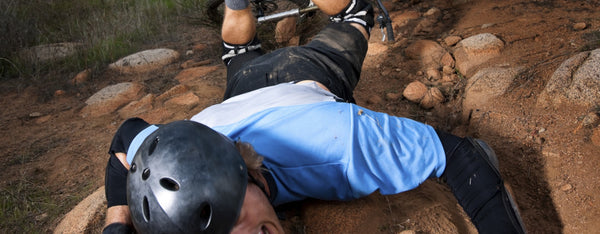
The four types of shoulder injuries when you fall off your bike
1. Posterior shoulder dislocation
Falling forwards and landing on your hand can result in a posterior shoulder dislocation. The shoulder moves backwards in the socket and needs to be assessed and reduced by a healthcare professional. A multi-directional shoulder brace may provide support at the back of the shoulder during a guided return to riding.
Explore the multi-directional shoulder brace.

2. Acromioclavicular joint injury
An AC joint injury affects the connection between the collarbone and shoulder blade. More severe injuries may require a surgical opinion. For more information, read our guide to ACJ injuries. The Flawless Motion ACJ shoulder brace may provide support during recovery when recommended by your healthcare professional.

3. Anterior shoulder dislocation
An anterior shoulder dislocation can occur when you fall with your arm outstretched and the arm is levered out of its socket, or when you land on the back of your shoulder. The shoulder moves forwards out of its socket. Once you have been assessed and cleared to return to riding, an anterior shoulder brace may provide support, particularly for downhill or enduro riding.

Explore anterior shoulder braces.
4. Rotator cuff tear
A painful rotator cuff tear can occur alongside a shoulder dislocation, particularly in people over 40. Smaller tears may respond to physiotherapy, while larger tears may require a surgical opinion. Shoulder support may be recommended during a return to riding, depending on the injury and your rehabilitation plan.
A multi-directional shoulder brace provides all-over shoulder support. For support during the painful early phase, the rotator cuff brace includes an additional short strap.

For more help choosing support, read which shoulder brace is right for you, visit the FAQs, or email info@flawlessmotion.com.
Want a clear recovery guide after a shoulder dislocation?
Recover Strong explains the rehabilitation journey in patient-friendly language for people returning to everyday activity and sport.
Dr Margie Olds is an internationally recognised physiotherapist with a special interest in shoulder injuries. She developed the Flawless Motion braces to help people return to sport as safely as possible. Her PhD explored the factors that can predict recurrent shoulder dislocation after injury. To learn more about her research, read the research overview.


